วันเสาร์ที่ 11 กันยายน พ.ศ. 2553

ตำนาน พญานาึค

ตำนาน พญานาค


พญานาคนั้นมีเรื่องราวเกี่ยวกับพุทธศาสนามากมายทั้งในพุทธประวัติโดยตรง และตำนานต่างๆ อีกมาก ที่เราคุ้นเคยกันมากที่สุดเห็นจะเป็นเรื่องของการที่นาคแปลงกายมาเป็นคนมาขอบวช และกลายมาเป็นพิธีบวชนาคในปัจจุบันนั่นเอง


เรื่องมีอยู่ว่า พญานาคตนหนึ่งรู้สึกอึดอัด เอือมระอา เบื่อชีวิต ถึงกับรังเกียจชาติกำเนิดของตนทีเดียว จึงเกิดความคิดว่า จะทำอย่างไรหนอ จึงจะพ้นจากนาค กลับกลายเป็นมนุษย์ได้ เมื่อได้ทราบว่า พระสมณะของพระศากยบุตรเป็นผู้ประพฤติธรรม รักษาพรรมจรรย์อยู่อย่างสงบ มีศีล มีธรรม ถ้าหากได้บวชบ้าง น่าจะพ้นจากชาติกำเนิดได้ คิดดังนั้นแล้ว จึงแปลงกายเป็นชายหนุ่มเข้าไปหาพระภิกษุทั้งหลายเพื่อขอบวช และได้รับการบวช สมดังหวัง และได้อาศัยอยู่ในวิหารกับพระภิกษุรูปหนึ่ง ถึงเวลาเช้ามืด เหล่าพระภิกษุทั้งหลายก็ออกไปเดินจงกรมอยู่กลางแจ้ง แต่พญานาคขี้เกียจ จึงจำวัดอยู่ สภาพร่างกายก็กลับกลายเป็นนาค ขดตัว ยื่นไปทางหน้าต่าง ครั้นภิกษุ เดินจงกรมเสร็จแล้ว ก็กลับมายังวิหาร เมื่อผลักบานประตูเข้ามา เหลือบไปเห็นงูใหญ่ก็ตกใจ ร้องเอะอะโวยวายขึ้น ภิกษุทั้งหลายต่างวิ่งเข้ามาสอบถาม
พระรูปนั้นจึงชี้ให้ดูว่า “พวกท่านเห็นงูไหม โน่น..ขดตัวอยู่ที่หน้าต่าง”
ขณะนั้นพญานาคก็ตื่นขึ้นมาเพราะเสียงดังเอะอะนั้น พอได้สติจึงรีบแปลงกายกลับเป็นภิกษุ บรรดาภิกษุทั้งหลายจึงถามว่า “นี่ ท่านเป็นใคร”
พระพญานาคจึงตอบว่า “ผมเป็นพญานาคครับ” และได้บอกถึงวัตถุประสงค์ที่อยากเป็นมนุษย์นี้
ภิกษุทั้งหลายจึงพากันไปกราบทูลต่อพระผู้มีพระภาค พระพุทธองค์รับสั่งให้ประชุมภิกษุสงฆ์ และได้ประทานโอวาทแก่พระพญานาคว่า
“เจ้าเป็นพญานาค ย่อมจะไม่เจริญงอกงามในธรรมวินัยนี้เป็นธรรมดา ไปเถิดเจ้านาค จงไปรักษาอุโบสถศีล ในวัน ๑๔ ค่ำ ๑๕ ค่ำ และ ๘ ค่ำ แห่งปักษ์นั่นแหละ ด้วยวิธีนี้ เจ้าจักพ้นจากกำเนิดนาค และจักกลับได้อัตภาพเป็นมนุษย์เร็วพลัน” พญานาคเมื่อได้ทราบดังนั้น ก็เป็นทุกข์เสียใจ น้ำตาไหลพราก สะอื้นไห้แล้วหลบหนีไปจากที่นั้น
พระพุทธองค์จึงตรัสกับภิกษุทั้งหลายที่ประชุมกันอยู่นั้นว่า “ภิกษุทั้งหลาย สภาพของนาค จะปรากฏด้วยเหตุสองประการคือ เวลาเสพเมถุนกับนางนาค ผู้มีชาติเสมอกัน และเวลานอนหลับอย่างไร้สติ ภิกษุทั้งหลาย... สัตว์เดรัจฉาน ภิกษุไม่ควรบวชให้ ที่บวชแล้วต้องให้สึกเสีย” ดังนั้นในการบวชปัจจุบันจึงมีการขานนาค พระอุปัชฌาย์ ท่านจะถามผู้ที่ขอบวชว่า “เธอเป็นมนุษย์หรือ” ด้วยเหตุนี้นั่นเอง


พระพุทธรูปนาคปรก จะสร้างตัวนาคต่างๆกันหลายแบบ มีเศียรต่างกันหลายๆเศียร


จากหนังสือเทวกำเนิด โดยพระยาสัจจาภิรมย์ ท่านว่าไว้ว่า นาคนี้ เรามักจะเรียกกันว่าพญานาค แต่ยังมีชื่อเรียกอย่างอื่นอีกมากเช่น ภุชงค์ วาสุกรี นาคี หรืออนันตนาค (ที่เอาไปทำหัวเรือ อนันตนาคราชนั่นไง) เราเข้าใจกันโดยทั่วไปว่านาคจะตัวยาวๆอย่างงู ในบาลีลิปิกรมว่า มีหน้าเป็นคน หางเป็นงู เป็นพวกกึ่งเทวดา มีเมืองที่อยู่เรียกว่า บาดาล ซึ่งเข้าใจกันว่าอยู่ใต้แผ่นดินเรานี่เอง ตามคัมภีร์วิษณุปุราณะ บอกว่ามีถึง 7 ชั้นแน่ะ ชั้นที่เป็นบาดาลจะอยู่ลึกสุดชั้นที่ 7 เป็นที่อยู่ของ วาสุกินาคราช


ลักษณะของนาคที่เด่นชัดอีกอย่างหนึ่งคือ มีหงอนอันงามเรียกว่างูหงอนเรามักจะเห็นรูปพญานาคมีหงอนสวยๆหลายชั้นตามวัดตามวา โดยเฉพาะทางภาคเหนือและอีสาน นอกจากเกี่ยวข้องทางพุทธศาสนาแล้วยังเกี่ยวกับทางฮินดูพราหมณ์อีกมากมายด้วย เช่นพญานาคทำตัวเป็นบัลลังก์ให้พระวิษณุบรรทมอยู่ในเกษียรสมุทร และที่งานหนักกว่านั้นก็จะต้องไปทำตัวแทนเชือกใหญ่พันภูเขา ให้เหล่าเทพและยักษ์จับหมุน ในการกวนทำน้ำอมฤตที่ยิ่งใหญ่ (ตอนนี้ก็ยังกวนกันอยู่เลย ไปดูที่สนามบินสุวรรณภูมิได้) งานที่เบาลงมาหน่อยก็ได้แก่เป็นสังวาลย์ของพระอิศวร และเป็นลูกศรของอินทรชิต


พระแม่มนสาเทวีเจ้า เป็นลูกของพระศิวะ เทพเจ้าของอินเดีย


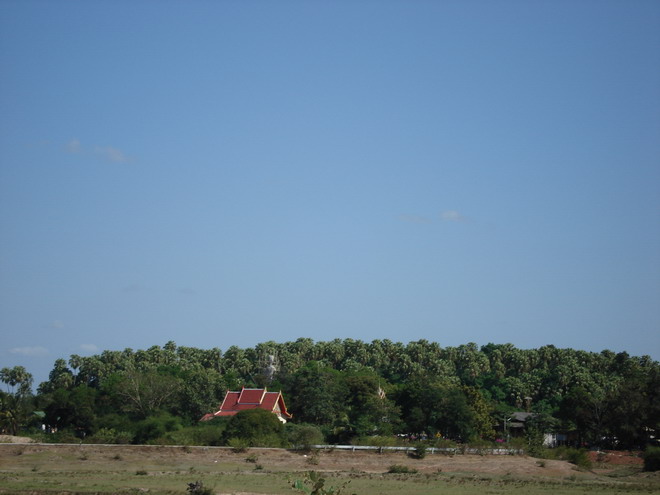
นอกจากนี้ในเมืองไทยทางภาคอีสานนี่เอง ที่จังหวัดอุดรธานี ยังมีสถานที่หนึ่งที่มีความเชื่อว่า เป็นประตูสู่เมืองบาดาล คือที่วัดคำชะโนดที่เลื่องลือนั่นเอง เพราะมักมีเหตุการณ์แปลกๆที่ไม่สามารถอธิบายได้เกิดขึ้นอยู่เสมอ ถ้ามีโอกาสจะไปเที่ยวดูซักครั้ง แล้วจะนำมาเล่าต่อให้ฟังครับ ตอนนี้ดูรูปวัดไปพลางๆก่อน ไปเจอในwebblogนึงพอดี


บริเวณวัดคำชะโนด


ทางเข้าวัดเขียนป้ายไว้เลยว่า วังนาคินทร์


ทางเดินเข้าสู่บริเวณวัด


ภายในมีต้นไม้แปลกๆอายุมากๆ


ข้ามโขงไปทางฝั่งลาว ก็มีความเชื่อและศรัทธาต่อตำนานพญานาคเช่นกัน บันใดลงท่าน้ำริมโขงก็สร้างพญานาคอย่างสวยงาม

ใครยังอ่านเรื่องพญานาค ไม่จุใจ ตามไปอ่านได้ที่
http://www.dmc.tv/pages/scoop/bangfai_payanaka3.html
มีเรื่องพญานาคอีกยาวเลยครับ


TraveLArounD


ปล. ท่านที่เพิ่งเข้ามาชมบล็อกใหม่ ผมได้จัดทำเป็นสารบัญ แบบหนังสือให้ค้นดูหัวเรื่องได้ง่ายที่ group : นานา สาระ๑๐๐๐ เพราะเรื่องต่างๆ เขียนไว้ 1200 กว่าเรื่องแล้ว

ส่วนท่านที่ชอบเพลง background ผมได้รวบรวมเพลงไพเราะ เพลงรัก romantic และเพลงซึ้งๆ ที่หาฟังได้ยากในสมัยนี้ ไว้หลายชุด สนใจ email ติดต่อมาได้ครับที่ nana_sara1000@ymail.com

หมายเหตุ : ขณะได้มี website อื่นๆหลาย website ได้นำเอาเรื่องที่ผมเขียนไว้ ไปลงต่อในลักษณะของเนื้อหา โดยไม่ได้รับอนุญาตใดๆ ถ้าต้องการบทความใดไปใช้ ขอให้ติดต่อขออนุญาต ก่อนทาง Email : nana_sara1000@ymail.com มิฉะนั้น จะต้องถูกดำเนินคดีตามกฎหมายลิขสิทธิ์

ส่วนผู้ที่ต้องการนำเรื่องไปโพสต่อ เพื่อเผยแพร่ โดยมิใช่ทางการค้า ขอให้ติดต่อขออนุญาตให้ถูกต้องก่อนโพส

วันจันทร์ที่ 20 เมษายน พ.ศ. 2552

NaNa Sara1000: Thai Contemporary House

NaNa Sara1000: Thai Contemporary House

Thai Contemporary House

Thai Contemporary House
บ้านไทยประยุกต์หลังใหญ่ | ปากช่อง
รีสอร์ทส่วนตัว ปากช่อง นครราชสีมา

ชมบ้านแบบรีสอร์ทหลังใหญ่ มี 2 ชั้น ขนาด 5 ห้องนอน 6 ห้องน้ำ พร้อมที่จอดรถ 2 คัน
ท่ามกลางธรรมชาติ ภายในโครงการ บนที่ดิน 1 ไร่
Big resort house 2 storeys :5 bedrooms 5 baths : 2 parkings


เป็นบ้านสไตล์ปั้นหยาแบบผสม แบบไทยประยุกต์ ยกใต้ถุนสูง
พื้นที่ใช้สอยส่วนใหญ่จึงเหมาะกับคนที่รักธรรมชาติ ใกล้ชิดสวน
มีมุมพักผ่อนนั่งเล่นมากมาย มีห้องครัวแยกต่างหากจากส่วนพักผ่อน แบบเรือนไทย
จึงไม่มีปัญหาเรื่องกลิ่นควันจากการทำครัว


โครงสร้างหลักเป็นคอนกรีตเสริมเหล็กอย่างแข็งแรง ดูแลรักษาง่าย
ไม่ต้องกลัวปลวกเหมือนบ้านไม้


เฟอร์นิเจอร์และตู้ส่วนใหญ่เป็น Built-in ส่วนเฟอร์นิเจอร์ลอยตัว
เช่น เป็นเตียงและตั่ง เป็นไม้จริงสั่งทำแบบโบราณ ทั้งหมด
All built-in furnitures


สภาพแวดล้อมแบบธรรมชาติ พร้อมสวนสวยในบริเวณ
และอากาศบริสุทธิ์ของปากช่อง
ใครเป็นเจ้าของ ต้องมีความสุขสุดๆทีเดียว

Bangkok Top City for Vacation Travel 2008

Looks like an online poll by Travel + Leisure magazine voted Bangkok as the top city in the world for vacation travel. The Galapagos were voted the top island in the world for travelers. Last year the winners were Florence, Italy and Bali, Indonesia. This further strengthens Bangkok’s image as a major tourist destination in the world.


The win does not come as a surprise for Bangkok. The city has always been a consistent placer in the top 5 for the last three consecutive years on the US - based travel magazine’s list , but its 13th Annual World’s Best Awards Readers’ Survey Results announced July 10, 2008, marked the first time that the Thai capital was able to snatch the top ranking.


This is the first time that Bangkok has grabbed the title for top vacation city in the world and it’s about time. All of us that have been there know the charms of the Big Mango. About time the rest of the world discovered it too. Bangkok deserves the top ranking in the world’s best city survey because it has everything to offer to different types of visitors, from its modern infrastructure and world-renowned hospitality and service, to the rich culture and to-die-for cuisine.


Bangkok Art & Culture Center


The city of Bangkok has always been a perennial winner of tourism awards given by international organisations, and consistently scores high in readers’ surveys conducted by leading travel magazines such as Travel + Leisure and Conde Nast Traveler.


Bangkok was named World’s Best City 2008 with a score of 87.61, ahead of Argentina’s Buenos Aires, last year’s runner up, and Cape Town, South Africa, which jumped from no. 10 in 2007.


The opening of Suvarnnabhumi International Airport just few years ago was a sign of Thailand’s strong commitment to the tourism industry. The new airport link due to be operational in the near future confirms the city’s commitment to constantly upgrading its infrastructure for the greater convenience of all visitors to the country. To provide an added dimension to the already rich culture in the capital city of Thailand is the Bangkok Art and Culture Centre, which stands to become one of the city’s major attractions.


Meanwhile, the Bangkok Metropolitan Administration(BMA) is keen on further uplifting the overall image of the city. Currently, the BMA’s campaign is emphasizing on the ‘Five Charms of Bangkok’: culture, the Chao Phraya River, shopping, nightlife and cuisine.


Being voted the best city in the world secures the capital’s top position in the 10 Best Asian cities, fending off the challenge by Kyoto which climbed up to second place from no. 6 in last year’s survey. Thailand’s Chiang Mai has retained its no. 3 ranking for two successive years, remaining as one of the most preferred choices among visitors to Thailand after Bangkok.


Surprisingly, none of Thailand’s islands made it to the top 10 world wide although Phuket was #2 in Asia beating out Penang Malaysia, but losing out to Bali, Indonesia. One of the hundreds of Thai islands would have been in the top 10 considering the crystal clear waters and great snorkeling and diving in the Andaman Sea islands. Koh Phi Phi is the one that would have liked to be on the list simply for it’s amazing scenery.


RealAdviser


Source :
http://www.thailandmusings.com/thailand-travel/bangkok-top-city-for-vacation-travel/
http://www.4hoteliers.com/4hots_nshw.php?mwi=4756

วันอังคารที่ 17 มีนาคม พ.ศ. 2552

วิวัฒนาการของการทอผ้าใน ประเทศไทย
และเครื่องมือโบราณ “ไนกับระวิง”


แม้ว่าเราจะไม่มีหลักฐานที่แน่ชัดมาใช้อธิบายเรื่องจุดกำเนิดของการทอผ้าในประเทศไทยก็ตาม แต่ก็อาจจะกล่าวได้ว่า การทอผ้าเป็นงานศิลปหัตถกรรมที่เก่าแก่ที่สุดอย่างหนึ่งที่มนุษย์ในสมัยโบราณที่อาศัยอยู่ในดินแดนนี้รู้จัก ทำขึ้นตั้งแต่สมัยก่อนประวัติศาสตร์

ภาพเขียนสีบนผนังถ้ำเช่นที่ เขาปลาร้า จังหวัดอุทัยธานี อายุประมาณ ๒,๕๐๐ ปีมาแล้ว มีรูปมนุษย์โบราณกับสัตว์เลี้ยง เช่น ควาย และสุนัข แสดงว่ามนุษย์ยุคนั้นรู้จักเลี้ยงสัตว์แล้ว ลักษณะการแต่งกายของมนุษย์ยุคนั้นดูคล้ายกับจะเปลือยท่อนบน ส่วนท่อนล่างสันนิษฐานว่า จะใช้หนังสัตว์ หรือผ้าหยาบๆ ร้อยเชือกผูกไว้รอบๆสะโพก บนศีรษะประดับด้วยขนนก

จากภาชนะเครื่องปั้นดินเผาโบราณที่พบ บริเวณถ้ำผี จังหวัดแม่ฮ่องสอน อายุประมาณ ๗,๐๐๐-๘,๐๐๐ ปีมาแล้ว พบว่ามีการตกแต่งด้วยรอยเชือก และรอยตาข่ายทาบ ทำให้เราสันนิษฐานว่า มนุษย์น่าจะรู้จักทำเชือกและตาข่ายก่อน โดยนำพืชที่มีใยมาฟั่นให้เป็นเชือก แล้วนำเชือกมาผูก หรือถักเป็นตาข่าย จากการถักก็พัฒนาขึ้นมาเป็นการทอด้วยเทคนิคง่ายๆ แบบการจักสานคือนำเชือกมาผูกกับไม้หรือยึดไว้ให้ด้ายเส้นยืนแล้วนำเลือกอีกเส้นหนึ่งมาพุ่งขัดกับด้ายเส้นยืน เกิดเป็นผืนผ้าหยาบๆขึ้น เหมือนการขัดกระดาษหรือการจักสาน เกิดเป็นผ้ากระสอบ แบบหยาบๆ

เราพบหลักฐานที่สำคัญทางโบราณคดีที่บริเวณบ้านเชียง จังหวัดอุดรธานี เช่น พบกำไล สำริด ซึ่งมีสนิม และมีเศษผ้าติดอยู่กับคราบสนิม นั้น นักวิทยาศาสตร์อธิบายว่า สนิมเป็นตัวกัดกร่อนโลหะ ซึ่งเป็นอนินทรียวัตถุ แต่กลับเป็นตัวอนุรักษ์ผ้าซึ่งเป็นอินทรียวัตถุไว้ ไม่ให้เสื่อมสลายไปตามกาลเวลา ที่แหล่งบ้านเชียงนี้ เรายังพบ แวดินเผาซึ่งเป็นอุปกรณ์การปั่นด้ายแบบง่ายๆ และพบลูกกลิ้งแกะลายสำหรับใช้ทำลวดลายบนผ้าเป็นจำนวนมาก จึงทำให้พอจะสันนิษฐานได้ว่า มนุษย์อาศัยอยู่ในบริเวณบ้านเชียงเมื่อ ๒,๐๐๐-๔,๐๐๐ ปีมาแล้ว รู้จักการปั่นด้าย ทอผ้า ย้อมสี และพิมพ์ลวดลายลงบนผ้าอีกด้วย


ผ้าในงานหัตถกรรมพื้นบ้านโดยทั่วไปมีอยู่สองลักษณะคือ ผ้าพื้นและผ้าลาย ผ้าพื้นได้แก่ ผ้าที่ทอเป็นสีพื้นธรรมดาไม่มีลวดลาย ใช้สีตามความนิยม ในสมัยโบราณสีที่นิยมทอกันคือ สีน้ำเงิน สีกรมท่าและสีเทา ส่วนผ้าลายนั้นเป็นผ้าที่มีการประดิษฐ์ลวดลายหรือดอกดวงเพิ่มขึ้นเพื่อความงดงาม มีชื่อเรียกเฉพาะตามวิธี เช่น ถ้าใช้ทอ (เป็นลายหรือดอก) ก็เรียกว่าผ้ายก ถ้าทอด้วยเส้นด้ายคนละสีกับสีพื้น เป็นลายขวาง และตาหมากรุกเรียกว่า ลายตาโถง ถ้าใช้เขียน หรือพิมพ์จากแท่งแม่พิมพ์โดยใช้มือกด ก็เรียกว่า ผ้าพิมพ์ หรือผ้าลายอย่าง ซึ่งเป็นผ้าพิมพ์ลาย ที่คนไทยเขียนลวดลายเป็นตัวอย่างส่งไปพิมพ์ ที่ต่างประเทศ เช่น อินเดีย

ผ้าเขียนลายส่วนมากเขียนลายทอง แต่เดิมชาวบ้านรู้จักทอแต่ผ้าพื้น (คือผ้าทอพื้นเรียบไม่ยกดอกและมีลวดลาย) ส่วนผ้าลาย (หรือผ้ายก) นั้น เพิ่งมารู้จักทำขึ้นในสมัยรัตนโกสินทร์ตอนต้น หรือสมัยอยุธยาตอนปลาย สันนิษฐานว่าได้แบบอย่างการทอมาจากแขกเมืองไทรบุรี ซึ่งถูกเจ้าเมืองนครกวาดต้อนมา เมื่อครั้งที่เมืองไทรบุรีคิดขบถ ประมาณ พ.ศ. ๒๓๕๔

อย่างไรก็ตาม ผ้าทั้งสองประเภทนี้ใช้วิธีการทอด้วยกันทั้งสิ้น วัสดุที่นิยมนำมาใช้ทอคือ ฝ้าย ไหมและขนสัตว์ (แต่ส่วนมากจะใช้ฝ้ายและไหม) ชาวบ้านจะปลูกฝ้ายเป็นพืชไร่และเลี้ยงไหมกัน ฤดูที่ปลูกฝ้ายกันคือ ตั้งแต่เดือนพฤษภาคม จนถึงเดือนพฤศจิกายน ซึ่งกินเวลาถึง ๖ เดือน ต้นฝ้ายจึงจะแก่ เมื่อเก็บฝ้ายมาแล้ว จึงนำมาปั่นและกรอให้เป็นเส้น ม้วนเป็นหลอด เพื่อที่จะนำไปเข้าหูกสำหรับทอต่อไป ชาวบ้านรู้จักทอผ้าขึ้นใช้เอง หรือสำหรับแลกเปลี่ยนกับเครื่องอุปโภคบริโภคที่จำเป็นจะต้องใช้ภายในครอบครัว การทอนี้มีมาแต่โบราณกาลแล้ว ไม่มีใครทราบว่ามีมาแต่เมื่อไร และได้แบบอย่างมาจากใคร ถ้าจะพิจารณาดูตาม หลักฐานทางประวัติศาสตร์แล้ว ในสมัยศรีวิชัย (ราวพุทธศตวรรษที่ ๑๓) ชาวบ้านคงรู้จักการทอผ้าแล้ว เพราะว่าในสมัยนั้น เป็นสมัยที่ได้มีการติดต่อการค้าและรับเอาศิลปะและวัฒนธรรมมาจากชนชาติที่เจริญกว่า เช่น จีน อินเดีย อาหรับ และเปอร์เซีย ชนต่างชาติดังกล่าวคงได้มาถ่ายทอดไป


การทอผ้านี้มีอยู่ในทุกภาคของประเทศ หลักการและวิธีการนั้นคล้ายคลึงกันทั้งหมด แต่อาจมีข้อปลีกย่อยแตกต่างกันบ้าง การทอนี้ทำด้วยมือโดยตลอด ใช้เครื่องมือเครื่องใช้แบบง่ายๆ ซึ่งต้องอาศัยความชำนาญและความประณีต นับตั้งแต่การเตรียมเส้น การย้อมสี และการทอเป็นผืน

เครื่องมือทอผ้าเรียกว่า "กี่" มี ๒ ชนิด คือ กี่ยก กับกี่ฝัง กี่ยกเป็นเครื่องมือที่ยกเคลื่อนที่ได้ ใช้ตั้งบนพื้นถอดและประกอบได้ง่าย ทำด้วยไม้เนื้อแข็ง มีขนาดเท่ากับกี่ฝัง แต่ทำตั้งสูงกว่า เพื่อให้เท้าถีบกระตุกด้ายในเวลาทอผ้า สะดวกไม่ติดพื้น ส่วนกี่ฝังคือเครื่องทอผ้าที่ใช้เสาปักฝังลงดินยึดอยู่กับที่ เคลื่อนย้ายไม่ได้สร้างกันไว้ตามใต้ถุนบ้าน เป็นเครื่องทอผ้าชนิด ที่นิยมใช้กันมาก

การทอผ้าที่ชาวบ้านทำกันนั้นต้องอาศัยความจำและความชำนาญเป็นหลัก เพราะไม่มีเขียนบอกไว้เป็นตำรา นอกจากนี้แล้วยังพยายามรักษารูปแบบและวิธีการเอาไว้อย่างเคร่งครัด จึงนับว่าเป็นการอนุรักษ์ศิลปกรรมแขนงนี้ไว้อีกด้วย


ผ้าพื้นบ้านที่นิยมใช้กันมี ๒ ประเภท คือ
๑. ผ้าที่ใช้ในชีวิตประจำวัน ซึ่งเรียกกันว่าผ้าพื้นนั้น ไม่มีความประณีตและสวยงามเท่าใดนัก แต่มีความทนทาน ทอขึ้นอย่างง่ายๆ มีสีและ ลวดลายบ้าง เช่น ผ้าพื้น ผ้าตาโถง ผ้าโสร่ง ผ้าแถบ ผ้าซิ่น และผ้าขาวม้า ซึ่งชาวบ้านนิยมใช้ติดตัวมาตั้งแต่สมัยโบราณ ปรากฏอยู่ในหลักศิลาจารึกหลักที่ ๔๔ แห่งแผ่นดินสมเด็จพระบรมราชาธิราชที่ ๑ (พ.ศ. ๑๙๑๖)
๒. ผ้าที่ใช้ในงานพิธีต่างๆ เช่น ทำบุญ ฟ้อนรำ แต่งงานหรือเทศกาลต่างๆ ในสังคมไทยสมัยก่อน ถือว่าการทอผ้าเป็นงานของผู้หญิง เพราะต้องใช้ความประณีตและละเอียดอ่อน ใช้เวลานานกว่าจะทอผ้าชนิดนี้เสร็จ แต่ละผืน ผู้หญิง ซึ่งในสมัยนั้นต้องอยู่กับเหย้าเฝ้ากับเรือนอยู่แล้ว จึงมีโอกาสทอผ้ามากกว่าผู้ชาย อีกประการหนึ่ง ค่านิยมของสมัยนั้น ยกย่องผู้หญิงที่ทอผ้าเก่ง เพราะเมื่อโตเป็นสาวแล้วจะต้องแต่งงานมีครอบครัวไปนั้น ผู้หญิงจะต้องเตรียมผ้าผ่อนสำหรับออกเรือน ถ้าผู้หญิงคนใดทอผ้าไม่เป็นหรือไม่เก่งก็จะถูกตำหนิ ชายหนุ่มจะไม่สนใจ เพราะถือว่าไม่มีคุณสมบัติที่เหมาะสมจะเป็นแม่บ้าน เมื่อมีงานเทศกาลสำคัญต่างๆ ชาวบ้านจะพากันแต่งตัวด้วยผ้าทอเป็นพิเศษไปอวดประชันกัน ผ้าชนิดนี้จะทอขึ้นด้วยฝีมือประณีตเช่นเดียวกัน มีสีสัน และลวดลาย ดอกดวงงดงามเป็นพิเศษ ผ้าบางผืนจะทอกันเป็นเวลาแรมปีด้วยใจรักและศรัทธา เช่น ผ้าลายจก ผ้าตีนจก ผ้าตาด ผ้ายก และผ้าปูม เป็นต้น

ดังกล่าวแล้วว่าการทอผ้านั้นมีอยู่ทุกภาคของประเทศ แต่ละภาคจะมีจังหวัดที่มีความเด่นเป็นพิเศษในการทอผ้า คือ
ภาคเหนือ ได้แก่ จังหวัดลำพูน จังหวัดเชียงใหม่
ภาคกลาง ได้แก่ จังหวัดกรุงเทพฯ จังหวัด สระบุรี จังหวัดชลบุรี
จังหวัดราชบุรี
ภาคตะวันออกเฉียงเหนือ ได้แก่ จังหวัดอุดรธานี จังหวัดหนองคาย
จังหวัดขอนแก่น
ภาคใต้ ได้แก่ จังหวัดสุราษฎร์ธานี จังหวัดนครศรีธรรมราช
จังหวัดสงขลา


เครื่องมือและอุปกรณ์ในการทอผ้าแบ่งเป็น 2 ประเภท เครื่องมือสำหรับเตรียมด้ายหรือไหม และเครื่องทอผ้าหรือกี่
1. เครื่องมือสำหรับเตรียมด้ายหรือไหม ได้แก่
1.1 ไน เป็นเครื่องมือสำหรับกรอเส้นด้ายเข้าหลอด มีลักษณะเป็นวงล้อเส้นผ่าศูนย์ กลางประมาณ 72 ซ.ม. ทำด้วยไม้ไผ่หรือหวาย ปัจจุบันใช้ล้อรถจักรยานที่ถอดยางออกแทน
1.2 ดอกวิง หรือดอกสวิง เป็นเครื่องปั่นด้าย รูปร่างคล้ายวงล้อ ทำด้วยไม้หรือไม้ไผ่ ใช้คู่กับไน เมื่อต้องการกรอด้ายหรือไหม ยืนหรือด้ายพุ่งเข้าหลอด

ไนกับระวิง เป็นอุปกรณ์ที่ต้องใช้ควบคู่กัน "ไน" บางทีเรียก "เผี่ยน" ที่รู้จักทั่วไปเรียกว่า "หลา" ส่วน "ระวิง" รู้จักกันทั่วไปว่า "กง" ใช้สำหรับปั่นด้ายเข้าหลอด

1.3 หลอดค้นหรือลูกค้น คือหลอดด้ายที่ทำด้วยไม้หรือพลาสติก ใช้สำหรับม้วนด้าย ยาวประมาณ 6 ซ.ม. แกนของหลอดจะต้องเป็นรูกลวง
1.4 รางค้น คือราวสำหรับใส่หลอดค้น เมื่อต้องการค้นด้ายยืน มีลักษณะเป็นกรอบไม้สี่เหลี่ยมผืนผ้า
1.5 หลักค้น หรือคราด คือหลักที่ใช้คล้องด้ายยืน ตอนที่ค้นด้ายหรือไหมเรียกอีกอย่างหนึ่งว่าสาวไหม จัดเส้นไหมหรือด้ายให้เป็นระเบียบและใช้คล้องด้ายยืนที่เก็บจัดกันเสร็จแล้ว หลักค้นยังใช้คำนวณความยาวของเส้นด้ายที่จะใช้ทอผ้า หลักค้นทำด้วยไม้ลักษณะคล้ายคราด
1.6 ตะขอเกี่ยวด้ายเข้าฟืม
1.7 เครื่องรองตอนเข้าฟืม
1.8 ไม้นัด ใช้ก่อเขาหูก
1.9 ไม้ขัดด้าย หรือไม้ค้ำ
1.10 เครื่องม้วนด้าย
1.11 ลูกหัดหรือระหัด เพื่อส่งด้ายเวลาทอ

2. เครื่องมือทอผ้า หรือกี่ หรือโหก ในภาษาถิ่น การทอผ้าเกาะยอจะใช้กี่กระตุก ซึ่งมีส่วนประกอบดังนี้
2.1 โครงกี่ ประกอบด้วยเสาสี่ต้น มีราวกี่ขนาบทั้งสี่ด้าน ทั้งด้านบนด้านล่าง เพื่อให้แข็งแรงยิ่งขึ้น โครงกี่แต่ละโครงจะมีขนาดไม่แน่นอน โดยประมาณจะกว้าง 1.20 – 1.50 เมตร ยาว 2.50 – 3.00 เมตร สูง 1.20 – 1.50 เมตร
2.2 ฟืมหรือฟันหวี เป็นส่วนที่ใช้กระทบให้ด้ายที่ทอแน่นเข้า ใช้โลหะทำเป็นซี่เล็กๆ ห่างกันตามความต้องการ แต่ละช่องจะใช้สอดด้ายยืนเข้าไปหนึ่งเส้น เป็นการจัดด้ายยืนให้ห่างกันตามความละเอียดของผ้า ตัวฟืมส่วนใหญ่ยังทำด้วยไม้
2.3 เขาหูกหรือตะกอ คือเชือกที่ร้อยคล้องเส้นยืนเพื่อแบ่งเส้นยืนออกเป็นหมวดหมู่ตามที่ต้องการ เมื่อยกเขาหูกหรือตะกอขึ้นจะดึงเส้นไหมยืนเปิดเป็นช่อง สามารถพุ่งกระสวยเข้าไปให้ไหมพุ่งสานขัดกับไหมยืนได้
2.4 กระสวย เป็นไม้รูปเรียวที่ปลายทั้งสองข้าง ตรงกลางใหญ่และเป็นร่องสำหรับใส่หลอดด้าย ใช้สำหรับพุ่งสอดไปในระหว่างช่องการทอผ้า หลังจากที่เหยียบคานเหยียบให้เขาหูกแยกเส้นด้ายยืนแล้ว
2.5 ไม้แกนม้วนผ้า หรือพั้นรับผ้า คือไม้ที่ใช้ม้วนผ้าที่ทอแล้วไว้อีกส่วนหนึ่ง มีความยาวเท่ากับกี่หรือเท่ากับความกว้างของผ้า


ข้อมูลจาก
ผ้าจากแหล่งโบราณคดีในประเทศไทย กองโบราณคดี กรมศิลปากร
http://arc.skru.ac.th/kohyor/instrument.html&h=300&w=400&sz=134&hl=th

วันอังคารที่ 5 สิงหาคม พ.ศ. 2551

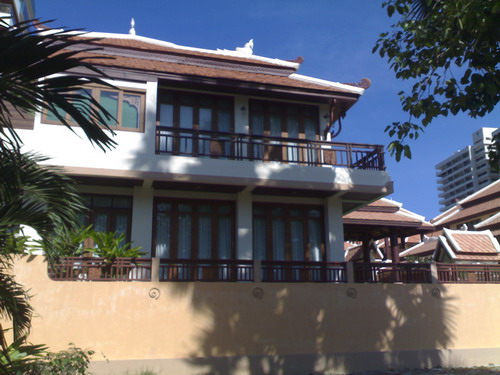
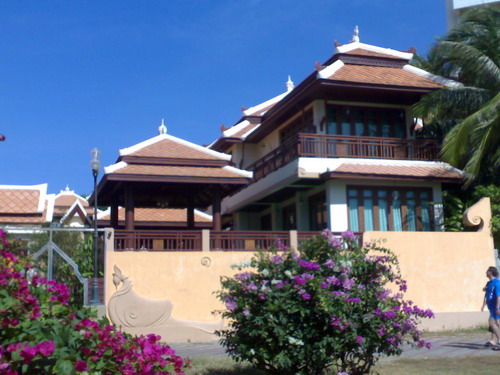
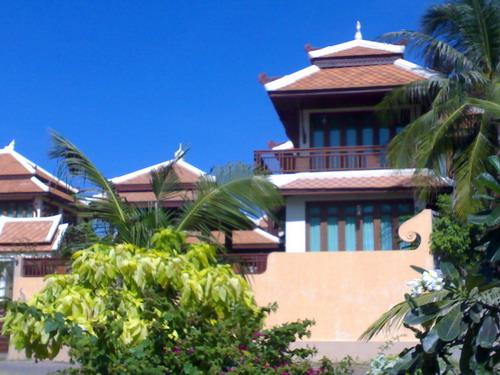
Contemporary Thai Style House

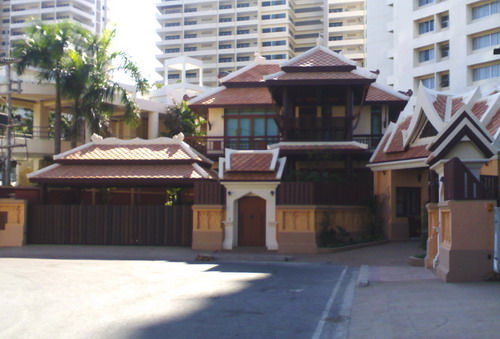
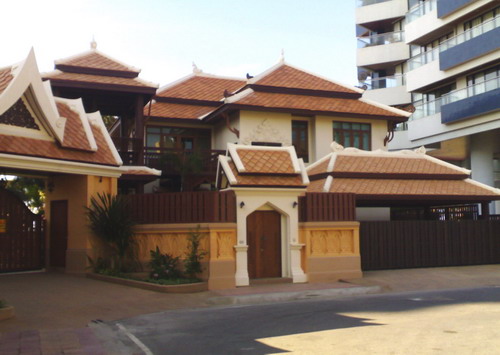
This is the sample of contemporary Thai traditional style in Pattaya , Thailand. It's the luxury complex of houses for sale.


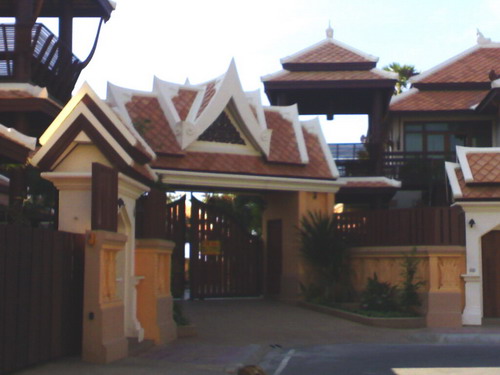
The maingate in front with the roof design

ซุ้มประตูใหญ่ ออกแบบซุ้มเป็นหลังคาซ้อน โชว์หน้าจั่ว

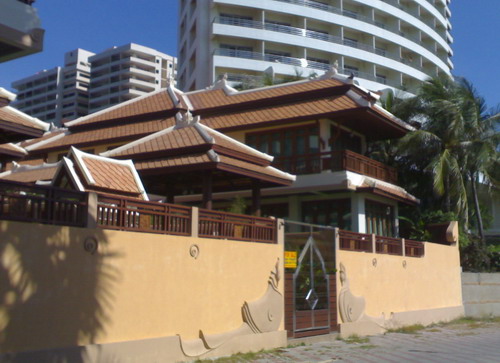
Small sub-entrance

ซุ้มประตูเล็ก เป็นคอนกรีต จะมองดูหนักแน่นกว่าไม้


บ้านหลังนี้ เห็นติดป้ายขายอยู่ ลองสอบถามจากคนรู้จัก บอกว่าขายหลังละ 40 กว่าล้าน คงไม่ได้ตั้งใจจะขายคนไทยนะ ราคานี้! ตัวบ้านเป็นลักษณะของกลุ่มบ้าน รวมกัน 5 หลังมีสระว่ายน้ำร่วม ด้านหน้าทางเข้า สามารถแยกเข้าโรงรถได้เลย 2 หลัง แต่ไม่ติดทะเล ส่วนที่ติดทะเล 2 หลังก็ต้องเข้าประตูใหญ่เข้าไปก่อน เสียดายไม่ได้เข้าไปดูข้างใน แต่คิดว่า น่าจะทำตกแต่งภายในเรียบร้อยสวยงาม พร้อมเข้าอยู่


The group consists of 5 houses with swimming pool at the center, with seperated garages.
Only two of its facing seaside.


Each houses has individual gazebo for outdoor activities.

แต่ละหลัง ก็มีศาลานั่งเล่น กินเหล้า ตากลม เพลินๆ


ด้านหน้าจะเป็นชายหาด และสวนหย่อม ส่วนมากจะมีฝรั่งนอนอาบแดดกันมากกว่าคนไทย


การออกแบบก็เป็นลักษณะของไทยประยุกต์ ทั้งประยุกต์รูปแบบสถาปัตยกรรมไทย หลายๆลักษณะเข้าด้วยกัน และยังประยุกต์เอารายละเอียดของสถาปัตยกรรมแบบอื่นๆ พูดรวมๆคือ Asian Style มาไว้ด้วยกัน เดาเอาว่าคงจะเน้นลูกค้าต่างชาติเป็นหลัก จึงจับจุดเอาจุดเด่นของ Asian Style มาผสมกับของไทยด้วย เพื่อเพิ่มความน่าสนใจ ให้ดูสนุกสนาน อลังการ ( แล้วก็เพิ่มมูลค่าไปด้วยในตัว) แต่ก็เหมาะมาก กับการเป็นบ้านพักตากอากาศ ที่ต้องการเปลี่ยนความซ้ำซาก จำเจไปจากที่อยู่เดิมๆ เสียดายอยู่ 2 อย่าง คือพื้นที่คับแคบไปหน่อย ที่ดินคงราคาแพงมาก เพราะติดทะเล เลยต้องเบียดๆให้คุ้มค่าที่ดิน อีกอย่างคือถูกขนาบข้างด้วยตึกสูง เลยทำให้เสียบรรยากาศไปเยอะเชียว

แต่ถ้ามีใครชวนให้มาพัก นอนตา-กลมที่นี่ ก็คงจะดีไม่น้อย


Architectural design of this complex have mixed Thai traditional style with Asian style to created the feeling of oriental soul and imagnery. Unfortunately it site surrounded by highrise condominiums.

TraveLArounD
Traditional Thai house

Thai houses in Thailand are difference in styles depend on native people that lives in each parts of the country, and it climate. Traditional Thai houses are well adapted to the lifestyle needs and climatic conditions. Simplicity and open space are the core features of the Thai style house. Whole families would sleep together in a single room. In some instances, the open space was partitioned off into separate living areas to accommodate various generations. In a typical old Thai house, the various rooms would be separate units connected by open walkways and the staircase was on the outside.


Mainly , we divided them into 4 part :- central , Northern , North-eastern and Southern which all difference styles and details.


Central style


Central style
The main and most outstandind style is Thai central plain style, that have survived to our time. The majority of them were built between some 100 to 150 years ago. They are known for high gabled roof, wood panel, generously wide eaves, ample space underneath the house on stilts. Thai houses in the central plain come in different categories, i.e. Thai house for lone family unit, Thai house that does business on the dry land, residence for royal personages, and living quarters for Buddhist monks. Characteristics of Thai Houses in the Central Plain :
1. High floor level allowing an averaged man to walk with clearance above his head. High floor level are builded for the following reasons:
1.1 As a measure against any inconvenience from flooding.
1.2 Space under the house for storage of farming equipment such as wagon, planks, boats, ploughing set, large frying pan, etc.
1.3 Floor space under the house is used for producing handicraft, and a common sitting or squatting area.
1.4 Safety from wild beasts and possible intruders during night time.
2. High gabled roof and ample slanting eaves, and the roof cover made from a tap or earthenware tiles.
3. Large platform area which may represent as much as forty percents of the total floor area allowing exposure to sunlight and good clean air.


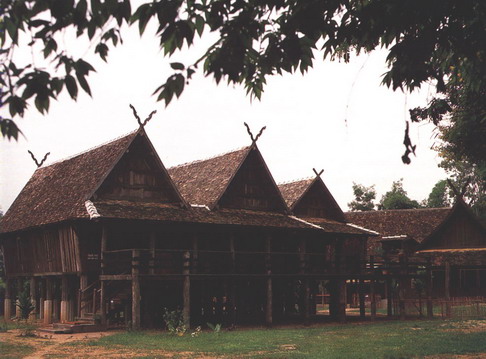
There is a functional aspect behind this design and structural element. Hot air rises so the height of the roof keeps the house cool. Thai house in the central plain has its roof line oriented along east west direction. This is to cut down the amount of sun light into the main body of the house and at the same time obtain the maximum benefit of the cool winds. Walls were generally left unpainted, though sometimes oiled. The curved roof-ends which give the tip of the eaves a highly distinctive look and add to the graceful appearance of the Thai houses are symbolic of the 'nagas' or serpents that adorn the Khmer temples. They have been stylized and often bear little resemblance to the original art form.


CONSTRUCTED WITHOUT NAILS
Traditional Thai house in the central plain are only style that built with pre-febricated system , allowing people to built or move easily,and groups together with many form of functions. One practical feature of the Thai house is the ease with which it can be assembled or taken down. The entire house is built in light, pre-fabricated sections with each section forming a wall. Each wall is then fitted together and hung on the superstructure - a frame of wooden pillars - without nails. In former times, the fact that the house could be taken down and re-assembled with relative ease was well-suited to the indigenous way of life. When families decided to move, as they frequently did, the house would be taken down, stacked on a raft and floated down the nearest klong to a new


Northern style (Lanna)


Northern style (Lanna)
The Lanna or the northern people favor the valleys that are the river basins for settlement. The northern region which begins from Sukhothai all the way to Chiangmai and Chiangrai is dominated by mountains and rain forest. The year round climate is the coolest of all regions. The typical house in the north is rather well walled in with less space for windows, and small ample space for platform. A shelf for a row of earthenware water jars is to be found on one side of the house, or infront for traveler. The walls tend to be slanted toward the eaves the main body of the house is usually surrounded by large open space.


Lanna house as a rule faces east with the roof ridge oriented along north south direction. The house is thus exposed to ample sunlight and at the same time protected from northern winds in the cool season. The house of the north falls into three main categories i.e. tied house (reuan kruang pook), hard wood house (reuan kruang sab or reuan katae) and the house in a mixed style between the traditional and the western ideas.


Tied house represents the true tradition of the house of the northern people. Supporting posts and beams are in hard wood while the walls are made from juxtaposed bamboo slats. The roof cover itself is made from large leaves or reeds. Reuan kruang sab or reuan kalae to which similar to reuan krunag sab is built from hard wood introduced during the reign of King Rama V, the house in the mixed style between local and western (Victorian & ginger bread style) is richly decorated with carved and cut wooden fleeces also known as the "sala nai" style.


North-eastern style


North-eastern style

Thai House of the northeast are built with due considerations for dryness, hot temperatures in the hot season and cool temperatures in the cool season. The geo-economic conditions and believes also play their parts in the evolve of the house styles of the northeast.


Early northeastern villages are relatively small and widely scattered over the entire region. The passage of time sees rice farmer families numbering from 100 to 400 gradually gather to from bigger villages. The typical village is crisscrossed by walkways along the length and width of the village dividing it into groups or "koom". Each koom is given a name for the purpose of record and registration. There are to be found in a village, a school a rice mill and a village court of law and a reservoir.


The layout of the houses in each koom gives no hint of symmetry or systematic planning. The orientation of the roof of each house is invariably along the east west direction. The space between one house and the next is not fixed, but on the average about four meters. Most if not all houses are without fences. Each house is accompanied by a granary built close to the house either to the north or south of the house.


The average house is designed for a single family. The house plan is simple consisting of a bed room, corridor, a kitchen, and a shelf for shoring water. Some houses may have "ruan kong" added to the main house. Ruan Kong is a hall room built opposite to the bedroom. Most houses have no partitions and assigned areas are not clearly marked off one another. Houses of the northeast rice farmers maybe classified into four main styles :
1.Gable roofed house in the traditional style.
2.House with ruan Kong. (walls on three side)
3.House without ruan Kong
4.Temporary house


Southern style


Southern style

Thai houses in the south are quite similar to those found in other regions of the country. There are ruan kruang pook (tied house), ruan kruang sab (wooden house) both of which have undergone development which gives the southern people the cement brick house. Their peculiarities are supporting posts resting on stone slabs to prevent termites attack, and dampness from the ground seeping through. The space under the house is rather generous while the roof is set rather low. This design makes the house better withstand strong winds and rains. The slant of the extended roof allows rain water to run off the roof quickly and help the roof to get dry quickly also. The alignment of the supporting posts and the walls are slanted inwards. The style known as "Elephant in a urinating posture" is thought to make the house absorb the impacts of strong winds more effectively, permits easy ventilation and at the same time protect the ground under the house from collecting an excessive amount of rain water. The walls are made of wooden boards arranged in such a way that the upper board overlaps the lower one to prevent rainwater running through the wall on the inside of the house.


Thai house of the southern region has its longer side oriented in the east to west direction known in the dialect as "pluk baan loi wan" meaning setting the along the south to north direction. Doing so would expose the house to full sun light almost half a day and also to strong winds which are liable to blow from east to west directions. The alignment of the granary is the opposite of that of the house. By setting the longer side of the granary along the north south direction, the paddy in the granary will get all sun light it needs to get dry. The granary of cause is more sturdily built than a regular house.


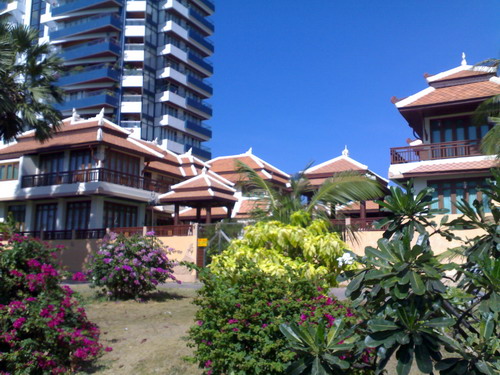
Thai house in the south is built as a single unit for one family's living. When the family grows large, another house is built along the main house together with a platform linking the two houses into a single unit. The platform area of Thai house in the south is small and narrow compared with the same of Thai houses in other regions. This is probably due to frequent rains in the south and narrow or small platform helps one to move from one house to other in as short a time as possible and hence get least wet. In some areas of the south, brick work or even an earth mound is built to the level of the platform and use for growing flowers or small plants such as promagrenade, orange lime, vegetable or perfume wood plants. The roofs of Thai house in the south come in four major styles i.e. gabled, "panyah"(hip roof) "kabranoh" and manila.
"TraveLArounD"


Edited from : National Culture Commission and
http://www.jimthompsonhouse.com/museum/fascinat.asp